SMA Leadership Profile: Tracy Dillinger
June 03, 2021
4-minute read
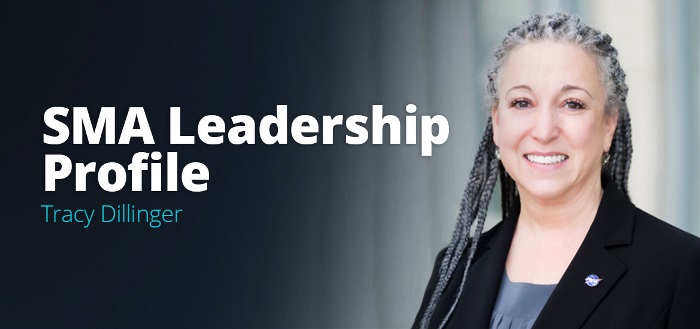
Though they may not know her by name, NASA employees are familiar with the programs, initiatives and products created by Dr. Tracy Dillinger. She manages two key programs for the Office of Safety and Mission Assurance: Safety Culture and Human Factors. She also served as the chair of the agency Safety Culture Working Group and agency Human Factors Task Force, is responsible for the NASA Safety Culture Survey, Safety Culture courses, NASA Human Factor Analysis and Classification training, the NASA Annual Human Factors report, and NASA Organizational Safety Assessments.
New Issue of EEE Parts Bulletin Now Available
May 27, 2021
1-minute read
The latest issue of the EEE Parts Bulletin covers news from the Electrical, Electronic and Electromechanical (EEE) Parts discipline from October 2020 through May 2021.
NASA Announces New Planetary Protection Officer
May 27, 2021
2-minute read
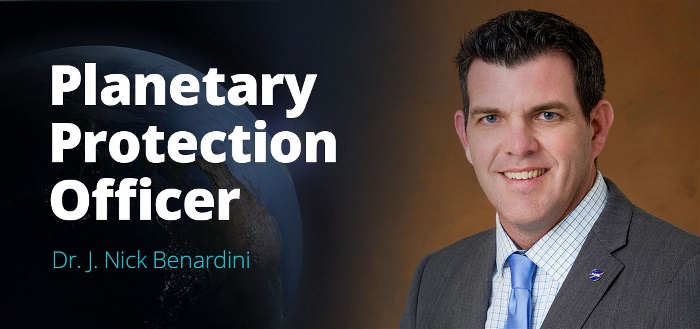
NASA named Dr. J. Nick Benardini as the agency Planetary Protection Officer within the Office of Safety and Mission Assurance, effective June 7.
Updates to NASA-STD-8739.6 Reflect Ongoing Changes to Industry Standards and Expand ESD Control Applicability
May 17, 2021
3-minute read

The Office of Safety and Mission Assurance’s Workmanship Standards program recently updated NASA-STD-8739.6, Implementation Requirements for NASA Workmanship Standards to
- Align with changes in industry standards
- Expand Electrostatic Discharge (ESD) control requirements
- Clarify training requirements
- Reflect changes in other NASA Policy Directives and NASA Procedural Requirements
Training Available: Learn to Perform Human Factors Analyses
May 04, 2021
1-minute read
The Human Factors Task Force is hosting a virtual NASA Human Factors Analysis and Classifications System (NASAHFACS) training and certification course, available to NASA personnel interested in learning about the impact of Human Factors across the agency. The three-day certification course will be July 27-29, 2021, via Microsoft Teams.
NEPP Pursues Advance Packaging Technology
May 03, 2021
3-minute read

The NASA Electronic Parts and Packaging (NEPP) Program is working to further advance packaging technology that has become a critical feature of modern Electrical, Electronic, Electromechanical and Electro-optical parts. In collaboration with its academic partner Georgia Tech, the NEPP Program is exploring 2.5/3D glass substrate technology for space applications.
Policy Changes in Effect for NASA’s Construction Safety Community
April 13, 2021
2-minute read

Two recent changes to NASA policy directly affect NASA’s Construction Safety community and its commercial suppliers and contractors. These changes went into effect Feb. 1, 2021.
Ingenuity Helicopter to Take Flight in April
April 08, 2021
3-minute read
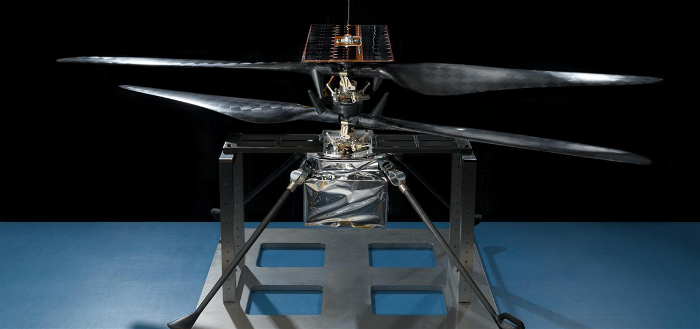
The Mars Ingenuity Helicopter will take its first steps toward demonstrating powered flight in the Martian atmosphere, with a first attempt at a powered, controlled flight of an aircraft on another planet scheduled for no earlier than April 8, 2021. The helicopter rode to Mars in the Perseverance Rover's belly pan and will be deployed for flight testing from the red planet's surface in April.
NPR 8735.2 Sees Complete Rewrite in Revision C
April 08, 2021
11-minute read

Recent updates to NPR 8735.2, Hardware Quality Assurance Program Requirements for Programs and Projects consolidate Office of Safety and Mission Assurance policy into a hierarchy, make life cycle Quality Assurance more obvious without increasing prescription, and present approaches and solutions for a set of mission assurance objectives.
NASA’s Continued Use of PJVS for Calibrations Ensures Peak Accuracy
March 19, 2021
2-minute read
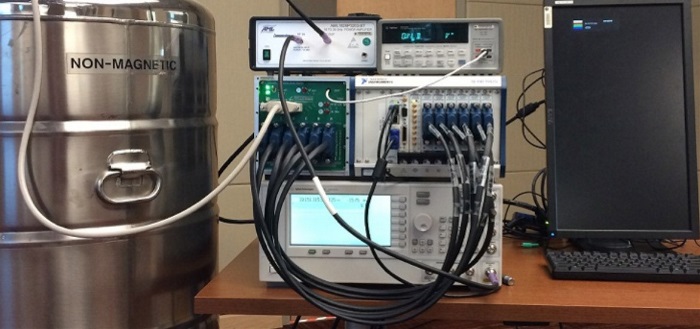
NASA uses the Programmable Josephson Voltage Standard (PJVS) to ensure the agency’s calibrations include the most accurate voltage measurement with the lowest measurement uncertainty possible.