Langley UAS Operations Office Awarded for Safety Oversight
August 13, 2019
3-minute read
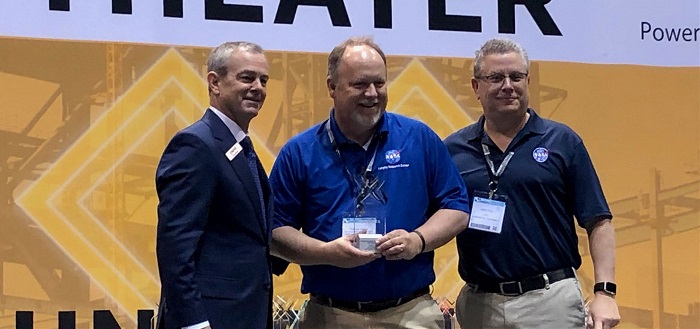
For the second straight year, XCELLENCE Awards by the Association for Unmanned Vehicles Systems International (AUVSI) awarded first place in its Operations and Safety Organization category to NASA Langley Research Center’s Unmanned Aircraft Systems (UAS) Operations Office. The award recognizes the office’s overall safety and oversight of all UAS operations at Langley.
New SATERN Course on Metrology and Calibration Requirements
July 23, 2019
2-minute read
The NASA Metrology and Calibration Program released a new course in SATERN, “NASA Metrology and Calibration Program Requirements Overview.”
Goddard Identifies New Indicators for CT Systems
July 16, 2019
1-minute read
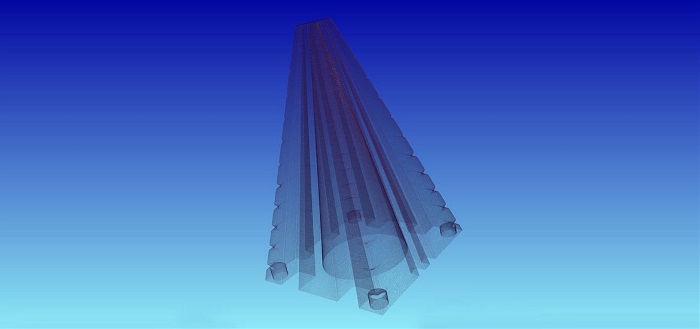
Computed Tomography (CT) is a powerful radiographic method that provides a versatile inspection technique whenever the primary goal is to quantify volumetric features in three dimensions, but it doesn’t come without its challenges. Measuring its system performance is more complicated than doing so for traditional Radiographic Testing systems.
New Metrology and Calibration Course in SATERN
July 15, 2019
1-minute read
The NASA Metrology and Calibration Program released a new course in SATERN, “More Than a Sticker: The Importance of Calibrating Measuring and Test Equipment.”
New EEE Parts Bulletin Now Available
May 20, 2019
1-minute read
The most recent EEE Parts Bulletin provides information on activities related to Electrical, Electronic and Electromechanical (EEE) parts that occurred at NASA between June and September 2018. This is a special edition on Electrostatic Discharge.
SMA Leadership Profile: Tim Crumbley
May 06, 2019
4-minute read
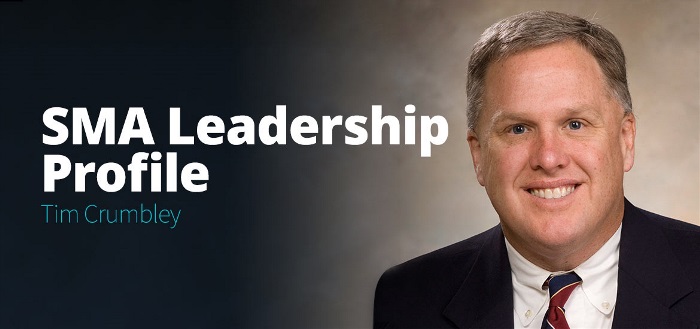
In March, Crumbley stepped into a new role as the Office of Safety and Mission Assurance Software Assurance technical fellow. Crumbley is responsible for establishing the agency-level Software Assurance procedures, policies, training and requirements for NASA. Overall, Crumbley leads Software Assurance policy development and provides research program oversight, technical direction, and support for the agency and its partners.
New MBMA Tool Available to SMA Community
May 06, 2019
3-minute read

The NASA Electronic Parts and Packaging Program is bridging gaps between engineering and assurance disciplines using a Model-Based Mission Assurance tool built around NASA-STD-8729.1, NASA Reliability and Maintainability (R&M) Standard for Spaceflight and Support Systems. The tool — the Systems Engineering and Assurance Modeling platform — is a web-based collaborative platform for modeling assurance cases that can be integrated with the models of the system.
Human Factors at NASA
February 11, 2019
3-minute read

The Office of Safety and Mission Assurance-sponsored Human Factors Task Force (HFTF) advocates training, promotion and outreach of Human Factors across the agency. Over the last three years, the HFTF developed numerous tools within the Human Factors Program. The HFTF members promote addressing Human Factors preventatively to improve organizational performance, as well as retrospectively by identifying the role of Human Factors in mishap investigations.
Read More
Planetary Protection Welcomes New Deputy Officer
December 18, 2018
3-minute read
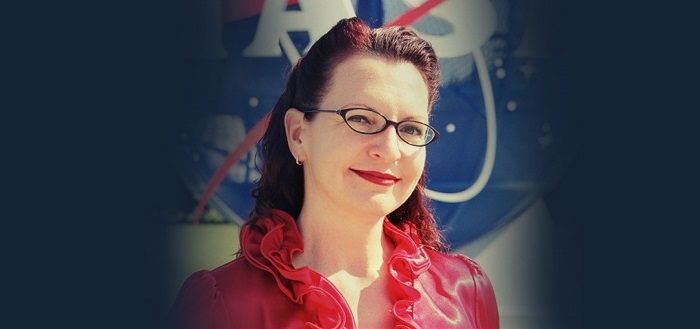
The Office of Safety and Mission Assurance recently named Elaine Seasly as the deputy Planetary Protection Officer. In this role, she will be supporting the Office of Planetary Protection in its efforts to promote the responsible exploration of the solar system by implementing and developing efforts that protect the science, explored environments and Earth.
Supply Chain Conference Focuses on Risk Management
December 06, 2018
3-minute read
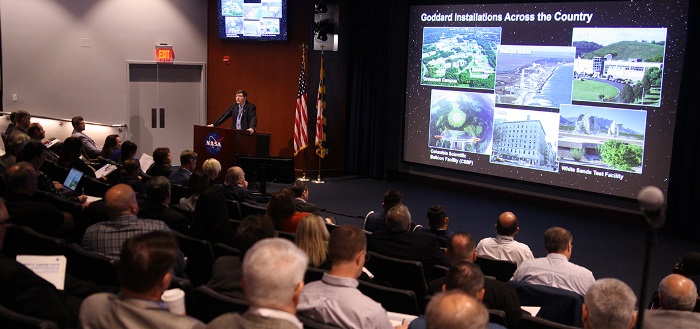
NASA’s programs rely on robust supply chains to achieve mission success, resulting in many complex relationships that often cross between not only disciplines and projects, but contracts and suppliers. To ensure success, Safety and Mission Assurance professionals must look at the supply chain through a Risk Management perspective to help leaders make risk-informed decisions about the products and services that go into building the spacecraft, payloads and ground systems for the agency’s projects.