New MetCal Course in SATERN
December 04, 2018
2-minute read
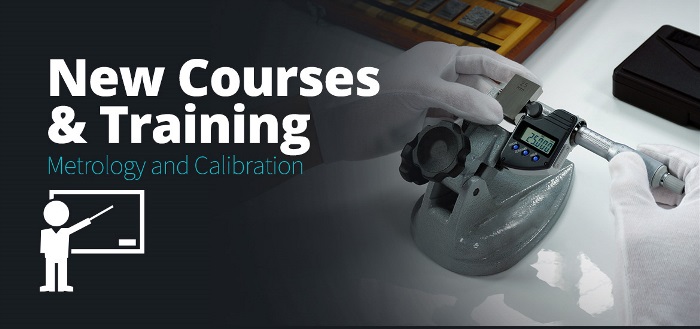
The NASA Metrology and Calibration (MetCal) Program released a new course in SATERN, “4:1 Test Accuracy Ratio for Compliance with ANSI/NCSL Z540.1-1994 (R2002) Sub-clause 10.2.b,” (SMA-HQ-WBT-217).
Goddard Develops Integrated Platform to Improve Mission Performance
November 06, 2018
3-minute read

The Safety and Mission Assurance Directorate at Goddard Space Flight Center developed an integrated platform, the Meta information system, which currently encompasses 22 operational applications for Goddard and NASA Headquarters’ Science Mission Directorate.
Improving Mishap Investigations for Human Spaceflight
November 05, 2018
1-minute read
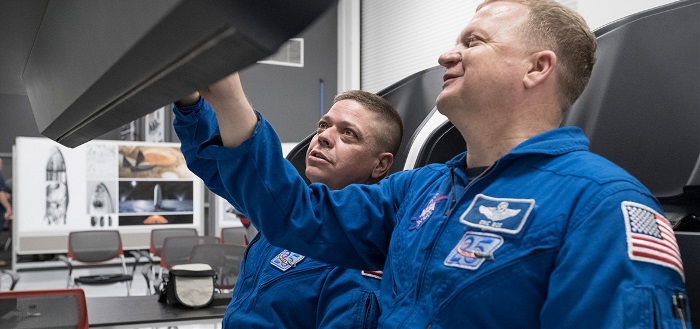
After each of NASA’s major mishaps — Apollo 1, Challenger and Columbia — the agency investigated the mishap and applied findings to future flights. As spaceflight became safer with the implementation of the lessons learned, mishap investigations also improved from each experience. With NASA preparing to fly three new crewed space vehicles in the coming years, clear understanding of the Mishap Investigation process with regards to Human Spaceflight and the underlying authorities and legal landscape of these investigations becomes paramount.
Update to Lifting Devices Standard Now in Effect
November 02, 2018
1-minute read
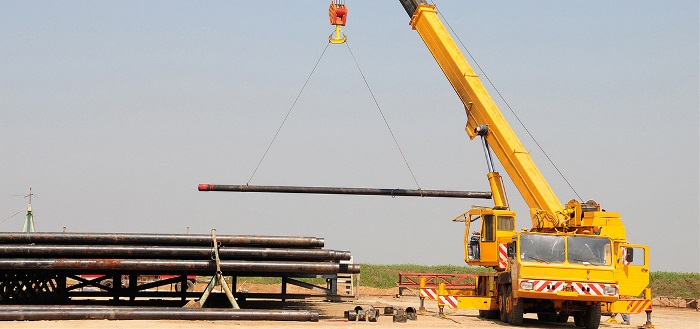
NASA-STD-8719.9, Lifting Standard went into effect Nov. 2, 2018. The update consisted of slight technical changes, new recommended Lifting Device Equipment Manager minimum requirements and editorial cleanup. Because this standard went through a major revision three years ago, updates to this revision were minor.
Stennis Creates Integrated Database of its Mishap Data
November 02, 2018
3-minute read

Stennis Space Center’s Safety and Mission Assurance (SMA) Directorate combined its safety data from seven separate databases to create a more streamlined collection of data. The center hopes the system, known as the SMA Crystal Ball, will eventually predict future safety incidents based on past data to help Stennis management better allocate center resources.
SARP Sponsors 10 Research Initiatives in FY18
October 31, 2018
8-minute read
Researchers completed 10 NASA Software Assurance Research Program (SARP)-sponsored research projects aimed to benefit Software Assurance processes across the agency and presented the results to the Software Assurance Working Group (SAWG). After SAWG selected initiatives in 2017, researchers were given a year to develop, analyze, test, record findings and present results.
NASA Reliability Initiative Works to Improve Small Satellite Mission Confidence
October 30, 2018
3-minute read
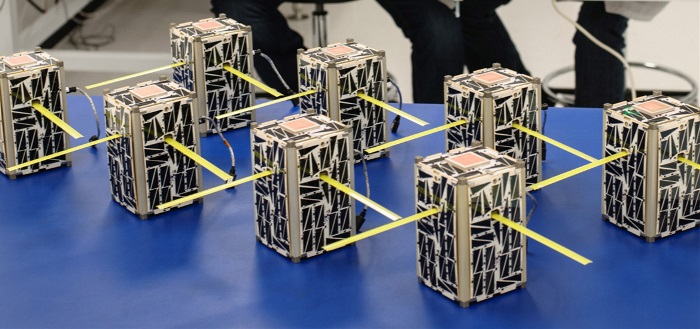
A new public-private initiative is working to improve Small Satellite (SmallSat) mission confidence. Historically, using CubeSats or SmallSats for certain types of missions have largely been viewed as unviable due to the mission success rate associated with these missions. As the space industry landscape changes — continuous technological advancements; miniaturization of Electrical, Electronic, and Electromechanical Parts and components; and increasing constraints on budget and schedule — both the public and private sector are looking to the small spacecraft platform for a range of missions with expectations of mission success.
NASA and JAXA Sign Alert Sharing Agreement
October 02, 2018
2-minute read

NASA and the Japan Aerospace Exploration Agency (JAXA) signed a bilateral agreement that enables both space agencies to share non-public alert information. The international partners agreed upon a protocol to share unrestricted NASA Advisories and JAXA Shinraisei Gijutsu Jouhou (or JAXA problem advisories).
SMA Leadership Profile: Harmony Myers
September 25, 2018
3-minute read
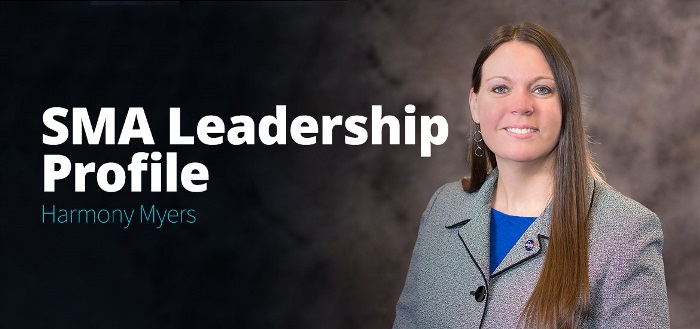
In June, Harmony Myers transitioned from serving as the System Safety Technical Discipline Team Lead to overseeing the NASA Safety Center (NSC) Technical Excellence Office (TEO). Myers is excited for her new role as director of TEO and already has plans on how to improve collaboration among the NSC’s four offices and across the agency.
GIDEP NPR Revision D Now in Effect
September 24, 2018
1-minute read

NPR 8735.1 Revision D, Exchange of Problem Data Using NASA Advisories and the Government-Industry Data Exchange Program went into effect July 29, 2018.