Made With Mars in Mind — Development of a Multipurpose Inspection System for COPVs
March 28, 2018
4-minute read
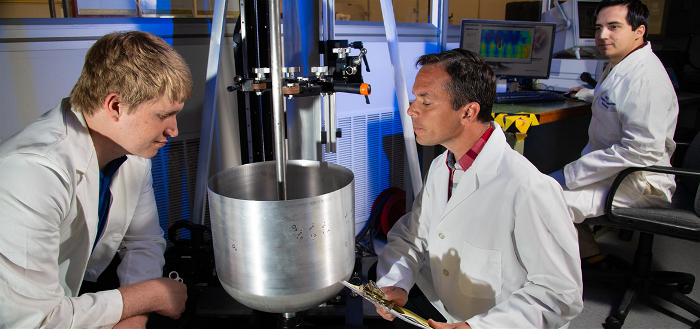
NASA and industry are working together to meet the safety, schedule and efficiency demands for current and future space flights, including those to and from the International Space Station.
Canadian Radar Detects gamma Lyrid Shower for Second Time Ever
March 09, 2018
3-minute read
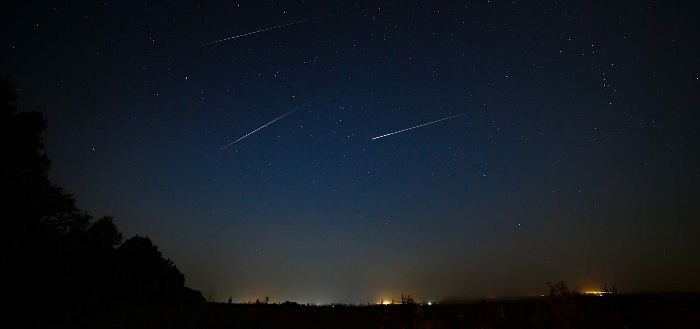
You may be familiar with some of the well-known meteor showers like the Perseids or Leonids, but have you heard of the gamma Lyrids? If not, you’re not alone — this shower is new to NASA as well.
Metrology and Calibration Program Cancelled NPD and Created New Technical Standard
March 05, 2018
2-minute read
At the recommendation of the NASA Metrology and Calibration (MetCal) Program, the Office of Safety and Mission Assurance cancelled NPD 8730.1, Metrology and Calibration and transferred the content to a new NASA standard, NASA-STD-8739.12, Metrology and Calibration, which went into effect Jan. 23, 2018. NPD 8730.5, NASA Quality Assurance Program Policy will carry the remaining MetCal policy language that was not transferred to NASA-STD-8739.12.
Safety Culture Refreshes SATERN Courses
February 15, 2018
2-minute read

The Safety Culture Working Group revised two Safety Culture SATERN courses that provide training for NASA employees and contractors.
Both courses, “Orientation to NASA Safety Culture” and “Safety Culture for Supervisors,” cover the definition of Safety Culture, the NASA Safety Culture five factors, and responsibilities of both the participants and supervisors for supporting the agency’s Safety Culture.
Two Anomalous Events in GEO
February 09, 2018
2-minute read
The February 2018 edition of Orbital Debris Quarterly News (ODQN) is now available and includes the article "Two Anomalous Events in GEO," republished here.
This issue also includes articles on space debris sensor launch updates, SEM analysis results from post-flight inspection of the PMA-2 cover, a review of the CubeSat study project and a photo feature documenting the Space Debris Sensor installation.
Range Flight Safety Program Updates NPR and Creates New Standard
February 08, 2018
3-minute read
The NASA Range Flight Safety Program updated NPR 8715.5, Range Flight Safety Program and released the newly created NASA-STD-8719.25, Range Flight Safety Requirements, which went into effect on Feb .2 and Feb. 5, respectively. The creation of the standard and subsequent changes to the NASA Procedural Requirements (NPR) support an agency effort to ensure NPRs focus on policy and process, while standards contain technical requirements.
Goddard Assesses Risks of Cellphones and Similar Devices to Hardware
January 19, 2018
3-minute read

Cellphones have become ubiquitous, and while their benefits are apparent, the risks are sometimes more hidden.
After experiencing two incidents of cellphone interference with sensitive hardware, Goddard Space Flight Center’s Safety and Mission Assurance (SMA) Chief Engineer Jesse Leitner raised the concern to the Goddard SMA Risk Advisory Board as a potential cross-center risk.
SARP Sponsors Nine Research Initiatives
January 18, 2018
7-minute read

Researchers wrapped up nine NASA Software Assurance Research Program-sponsored research projects aimed to benefit Software Assurance processes across the agency and presented the results to the Software Assurance Working Group (SAWG). After select proposed initiatives were chosen in 2016, researchers were given a year to develop, analyze, test, record findings and present results to the SAWG. Two of the projects were multi-year studies that continued from the prior year.
ESD Wireless Wrist Straps: The Shocking Truth
January 10, 2018
3-minute read
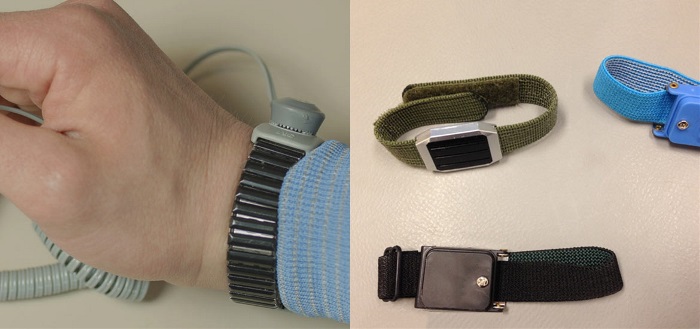
It is essential that NASA engineers use proper precautions when working with Electrostatic Discharge (ESD) sensitive hardware, as poor ESD control practices could be the difference between success and failure for a mission. ESD control is a fundamental component of NASA’s workmanship policy, which is why NASA requires operators to verify ESD personnel grounding systems (e.g. wrist or heel straps that are continuously connected to common point ground) are properly functioning before they enter an ESD Protected Area (EPA) or come within one meter of an ESD sensitive item.
RHA Methodology Helps Improve Mission Duration Timelines
January 02, 2018
3-minute read
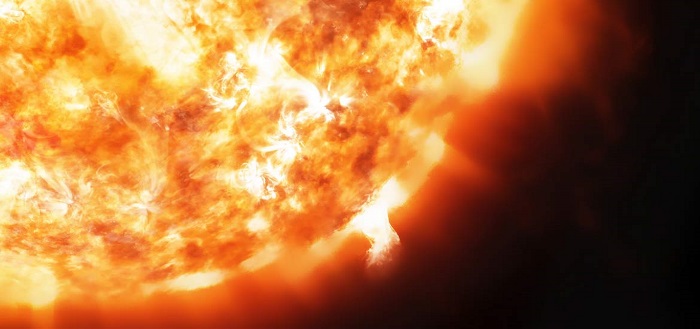
A new Radiation Hardness Assurance (RHA) methodology could lead to shorter, but more frequent missions at NASA. Mike Xapsos, a research physicist in the Radiation Effects and Analysis Group and member of the NASA Electronic Parts and Packaging Program (NEPP) at NASA Goddard Space Flight Center, has developed an improved method for evaluating the performance of a microelectronic device in space, which closes the gap between design specifications and on-orbit performance.