NEPP Provides Guidance on Gallium Nitride in Electronic Components
December 09, 2020
3-minute read
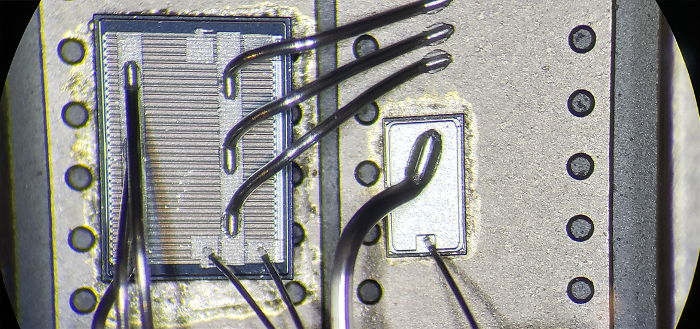
Gallium Nitride (GaN), a Wide Bandgap (WBG) semiconductor, is emerging as a promising material for electronic components in the aerospace industry. While historically semiconductor devices have been silicon-based, in recent years, devices using WBG materials such as silicon carbide and GaN have matured to a point where their performance and economic value are competitive with, or in some cases, exceed traditional silicon parts.
New ODQN Available: November 2020
November 25, 2020
1-minute read
The latest issue of Orbital Debris Quarterly News (ODQN) is now available. See the latest updates as of November 2020.
SARP Deploys Software Assurance Tasking Checklist Tool for NASA-STD-8739.8A
November 12, 2020
3-minute read

As part of the Software Assurance Research Program (SARP), the project team leading the “Software Assurance Tasking Checklists for NASA-STD-8739.8” project developed and deployed a tool to automate the identification of Software Assurance (SA) activities using Commercial Off-The-Shelf tools. This checklist tool is one of five research projects in Fiscal Year 2020 sponsored by SARP and aimed to address the current needs of the SA community across the agency.
Human Factors Program: Year in Review
November 12, 2020
3-minute read
As the new calendar year approaches, the Human Factors Task Force (HFTF) started reflecting on its many achievements over the past 12 months. The team gained new members, offered and developed more training, and integrated Human Factors into the agency mishap reporting system.
SMA Leadership Profile: Rick Nybakken
November 10, 2020
6-minute read
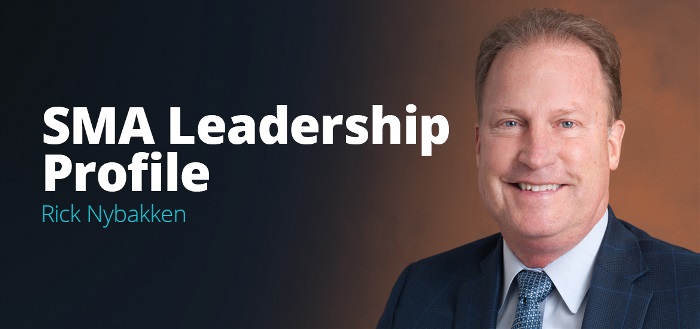
Sometimes, being on the outside provides perspective. That’s the case for Rick Nybakken, director for Safety and Mission Assurance (SMA) at the Jet Propulsion Laboratory (JPL).
“My career path has really helped to shape me: I’ve been at JPL for 35 years, and I’ve probably been in SMA for eight of those years,” explained Nybakken. “Working with Safety and Mission Assurance as a partner helped me understand the value since day one. That contributed to my desire to eventually work in SMA and gain a greater understanding from the inside.”
Ring in the New Year with NASAHFACS Training
November 09, 2020
1-minute read
The Human Factors Task Force is hosting a virtual NASA Human Factors Analysis and Classifications System (NASAHFACS) training and certification course, available to NASA personnel interested in learning about the impact of Human Factors across the agency. The three-day certification course will be Jan. 19-21, 2021, via Microsoft Teams.
Read More
NASA Breakthrough in Multi-Layered Pressure Vessel NDE
October 13, 2020
2-minute read

The Office of Safety and Mission Assurance’s Multi-Layered Pressure Vessel Risk Mitigation Project (MLPVRMP) made significant advancements in detecting weld flaws in Multi-Layered Pressure Vessels (MLVP) through the use of advanced techniques in Nondestructive Evaluation (NDE). The unique design and fabrication of MLPVs made inspection of inner weld areas joining shell to shell layers impossible, until now. This breakthrough presents the agency with the ability to thoroughly examine and baseline in-service MLPVs for critical weld flaws, thereby supporting selective MLPV replacement based on verified risk.
New Tool for Developing Safety Assurance Cases
September 22, 2020
5-minute read

NASA projects go through the full life cycle, from concept to implementation to closeout, with a number of reviews along the way. These reviews ensure that the developed project can meet mission objectives and do so safely. The project must make a case for itself: show and explain why the system will work as intended. Enter, the safety assurance case, or simply safety case as it may be more commonly known. Researchers at Ames Research Center have been fine tuning their notion of the safety case and developing a tool to make its development easier.
OSMA Promotes Development of NASGRO® Software for Use on Ground-Based Pressure Systems
August 07, 2020
6-minute read
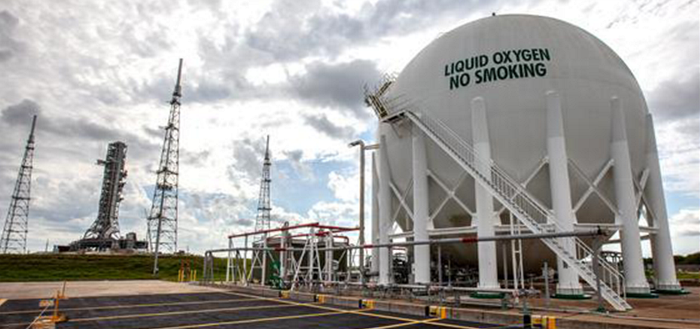
In recent years, the Office of Safety and Mission Assurance (OSMA) Pressure Systems program accomplished a number of efforts to facilitate broader use of NASGRO for the analysis and sustainment of pressure systems. By expanding the use of NASA’s perpetual, royalty-free NASGRO license, centers across the agency will realize a significant cost savings.