NASA Reliability Initiative Works to Improve Small Satellite Mission Confidence
October 30, 2018
3-minute read
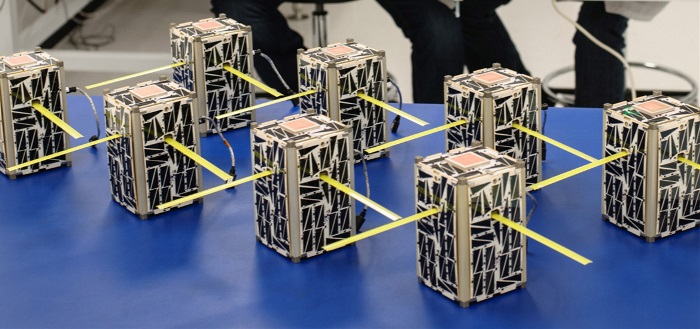
A new public-private initiative is working to improve Small Satellite (SmallSat) mission confidence. Historically, using CubeSats or SmallSats for certain types of missions have largely been viewed as unviable due to the mission success rate associated with these missions. As the space industry landscape changes — continuous technological advancements; miniaturization of Electrical, Electronic, and Electromechanical Parts and components; and increasing constraints on budget and schedule — both the public and private sector are looking to the small spacecraft platform for a range of missions with expectations of mission success.
NASA and JAXA Sign Alert Sharing Agreement
October 02, 2018
2-minute read

NASA and the Japan Aerospace Exploration Agency (JAXA) signed a bilateral agreement that enables both space agencies to share non-public alert information. The international partners agreed upon a protocol to share unrestricted NASA Advisories and JAXA Shinraisei Gijutsu Jouhou (or JAXA problem advisories).
SMA Leadership Profile: Harmony Myers
September 25, 2018
3-minute read
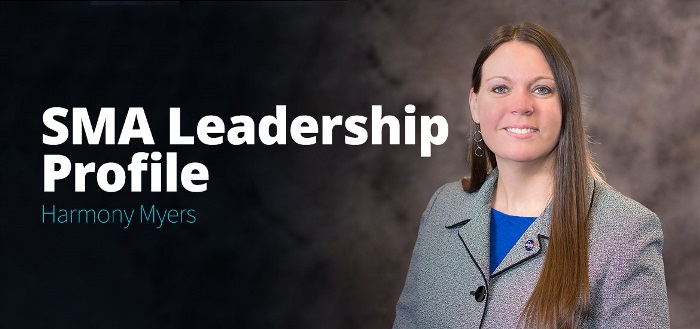
In June, Harmony Myers transitioned from serving as the System Safety Technical Discipline Team Lead to overseeing the NASA Safety Center (NSC) Technical Excellence Office (TEO). Myers is excited for her new role as director of TEO and already has plans on how to improve collaboration among the NSC’s four offices and across the agency.
GIDEP NPR Revision D Now in Effect
September 24, 2018
1-minute read

NPR 8735.1 Revision D, Exchange of Problem Data Using NASA Advisories and the Government-Industry Data Exchange Program went into effect July 29, 2018.
Speaking Up Makes a Difference: Agencywide Changes Made Based on Your Safety Culture Survey Results
September 19, 2018
4-minute read
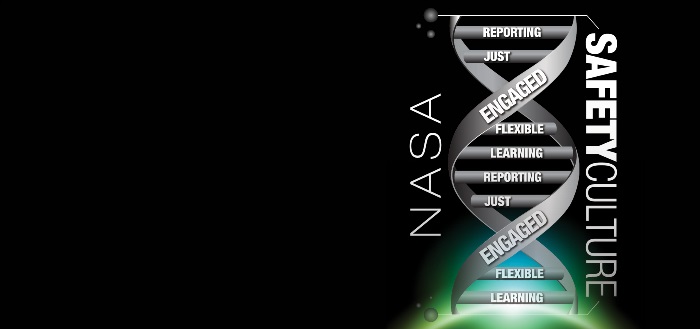
Your thoughts, comments and suggestions about the Safety Culture at NASA have been heard. The Office of Safety and Mission Assurance, along with Subject Matter Experts from each of the NASA centers, has worked to make changes throughout the agency based on your input from the NASA Safety Culture Survey.
July 2018 Edition of EEE Parts Bulletin Now Available
August 06, 2018
1-minute read
The most recent EEE Parts Bulletin provides information on activities related to Electrical, Electronic and Electromechanical (EEE) parts that occurred at NASA between August 2017 and May 2018.
Complying With OD Mitigation Requirements
June 26, 2018
3-minute read
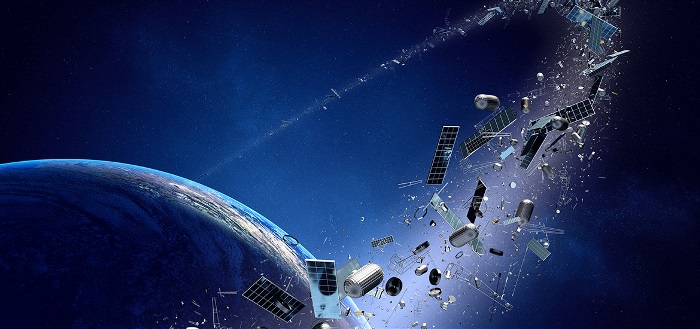
The four guiding principles in the U.S. Government Orbital Debris Mitigation Standard Practices, approved in 2001, are to limit the generation of mission-related debris, accidental explosions and collisions, and to conduct postmission disposal. Both the 2006 and 2010 U.S. National Space Policies directed U.S. government departments and agencies to implement the standard practices to limit the generation of new debris by their space missions. NPR 8715.6, NASA Procedural Requirements for Limiting Orbital Debris and Evaluating the Meteoroid and Orbital Debris Environments and NASA-STD-8719.14, Process for Limiting Orbital Debris represent the agency’s implementation of the standard practices.
Updates to PVS ANSI/AIAA Standards
June 26, 2018
3-minute read
Updates to American National Standards Institute (ANSI)/American Institute of Aeronautics and Astronautics (AIAA) S-080A, Space Systems—Metallic Pressure Vessels, Pressurized Structures, and Pressure Components and ANSI/AIAA S-081B, Space Systems—Composite Overwrapped Pressure Vessels went into effect March 2018.
New Payload Course Now in SATERN
June 25, 2018
2-minute read

Recently, the Expendable Launch Vehicle (ELV) Payload Safety Program released a new course “Safety Guidance for Payloads” (SMA-HQ-WBT-104) to the agency in SATERN. The course focuses on ensuring a consistent level of safety for special-case ELV payloads, which are payloads that either 1) don’t use the Launch Services Program or 2) rideshare with a primary payload on an ELV.
Learn More: Planetary Protection Policies and Practices Course
May 24, 2018
2-minute read
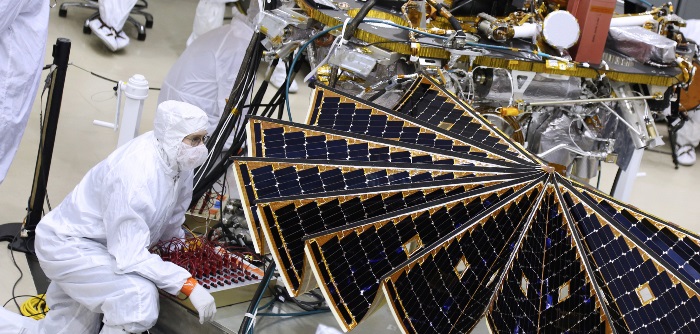
NASA’s Planetary Protection program offers the course “Planetary Protection: Policies and Practices” one to two times a year, with the next offering being Oct. 30-Nov.1, 2018 at Kennedy Space Center. This course, which has been active for more than 15 years, covers what the requirements are for Planetary Protection for robotic missions, how to meet those requirements and lessons learned from past missions.