ESD Control of Next Generation High Performance Spaceflight Computing (HPSC) Processor: A Wafer Charge Study
August 26, 2026
1-minute read
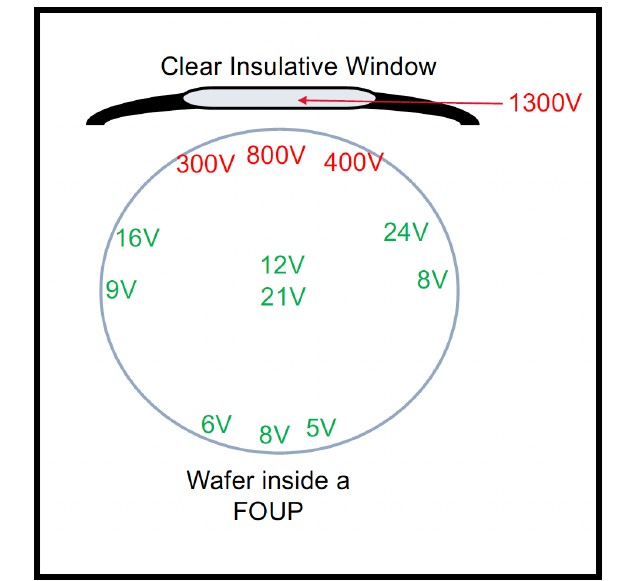
The High Performance Spaceflight Computing (HPSC) processor is the next-generation space-based microprocessor for future space missions. The HPSC has superior computational capacity and multicore architecture to provide unprecedented flexibility, power management and fault tolerance. Study authors conducted a comprehensive Electrostatic Discharge (ESD) control audit of the processor supply chain. Given the sophistication of the design, effective ESD control is essential to ensure reliable chip performance for future space missions. ESD risk is cumulative across manufacturing and logistics transportation, making it critical that protective measures be applied consistently throughout the entire supply chain rather than independently at individual facility.
This study aimed to characterize wafer charging mechanisms during in-facility manufacturing and inter-facility transportation within the processor supply chain. It focused on the characterization of wafer carrier materials on electrostatic charge accumulation using a Front-Opening Unified Pod (FOUP) during in-facility wafer handling and a Front-Opening Shipping Box (FOSB) for transferring finished wafers between suppliers.
The goal of the study is to investigate the effects of electrostatic charging on wafers, focusing on ESD latent damage mechanisms induced by process essential insulative material. The wafers being manufactured today are susceptible to such ESD damage. The study addresses an important but largely neglected aspect of wafer manufacturing, where the long-term impacts of ESD-related charging remain insufficiently understood.
Download the Study