Updates to the NASA Workmanship Training Credential Extension Web Tool
The NASA Workmanship training credential extension web tool was created in response to the COVID-19 pandemic, which severely disrupted operations at NASA training centers. These disruptions made it challenging for personnel to renew their Workmanship training credentials, which typically expire after two years. To mitigate the risks associated with personnel continuing work with expired credentials, NASA initially issued memos extending credential validity. However, as the pandemic's impact persisted, a more sustainable solution was needed, leading to the development of the web tool.
The primary purpose of the web tool is to facilitate a risk-based assessment of credential extension requests. By analyzing various factors related to an employee's training and work history, the tool helps determine whether extending their credentials is appropriate or if retraining should be prioritized. The tool aims to strike a balance between maintaining a skilled workforce and ensuring the quality and safety of NASA missions. While initially intended as a temporary measure, the tool's usefulness has resulted in its continued use and modification to address post-pandemic needs.
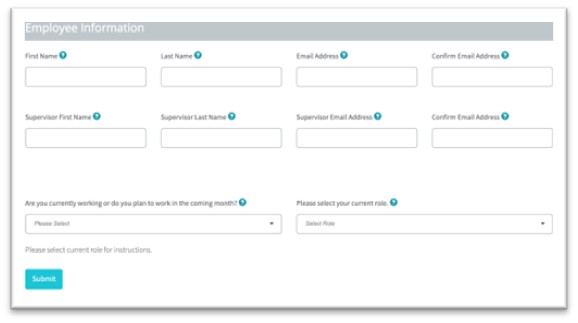
Sample screen from web tool
Motivations for Update
Several key factors drove the recent updates to the credential extension process and web tool, including the following:
- Aligning with Post-Pandemic Conditions: With training centers resuming normal operations, the focus shifted from widespread pandemic relief to addressing specific situations requiring extensions. The updates reflect this shift, making extensions more selective and emphasizing pre-engagement with training centers.
- Enhancing Risk Management: The updates aim to strengthen risk assessment by making the qualification criteria more stringent, incorporating work experience considerations and ensuring individuals cannot circumvent training requirements. This promotes a more balanced approach to credential management.
- Improving Efficiency and Transparency: By streamlining submissions, clarifying the tool's purpose and integrating training centers into the process, the updates improve efficiency and transparency. This ensures consistent evaluation, reduces unnecessary extensions and provides a clear understanding of the process for all stakeholders.
Updates and Improvements
The web tool and the associated credential extension process updates have improved efficiency, addressed emerging issues and refined risk assessment. Some key updates include:
Scope and Limitations
The web tool and credential extension process apply specifically to training associated with NASA Workmanship technical standards and adopted industry voluntary consensus standards for work performed by NASA personnel and suppliers on hardware built utilizing NASA-STD-8739.6 Implementation Requirements for NASA Approved Workmanship Standards. It does not cover Electrostatic Discharge (ESD) Control Program training, which is managed locally due to its facility-specific nature.
It's important to note that the web tool's recommendation is not a guarantee of credential extension. Projects retain the final decision-making authority and can accept, modify or reject the recommendation.
Conclusion
The NASA Workmanship training credential extension web tool plays a crucial role in managing training requirements and mitigating risks associated with credential expirations. The tool's evolution reflects NASA's commitment to adapting to changing circumstances while prioritizing the safety and quality of its missions. By streamlining processes, strengthening risk assessment and enhancing communication, the updated tool ensures a more balanced and efficient approach to managing Workmanship training credentials. The web tool is available here.
For more information, contact NASA Workmanship Standards Program Manager Alvin Boutte.